
Where to stay in Tokyo: best areas and neighborhoods
Open IndexTokyo is a large and sprawling city, and choosing where to stay here is essential! The golden rule is to always find accommodation near the metro, so you can easily move between different attractions.
The metropolis is divided into three large areas with different administrations: the special wards of Tokyo, which represent the central area of the city, the most populated one and where the most touristy districts are located; the Tama area, which occupies the western part of the special wards, comprising smaller cities and villages that are part of the metropolis; and finally, the island area, which includes two archipelagos and smaller islands. From a tourist perspective, the neighbourhoods to stay in and the main attractions are located in Tokyo's special wards.
Here is everything you need to know about where to sleep in Tokyo, the best and worst neighbourhoods!
In a hurry? Here's our recommended accommodation
If you're short on time, skip the boring research - we've already done the dirty work for you! Here are our top-rated picks for any budget, tried and tested.
| Category | Recommended accommodation |
|---|---|
| 👑 5-star / luxury | Mandarin Oriental Tokyo |
| 🛎️ B&b & mid-range | APA Hotel Keisei Ueno Ekimae |
| 🎒 Hostel and low-cost | Grids Tokyo Ueno Hotel&Hostel |
| 🏡 Vacation rental / apartments | Ueno Residence Hotel Matsumoto |
Useful tips: the best neighborhoods to stay
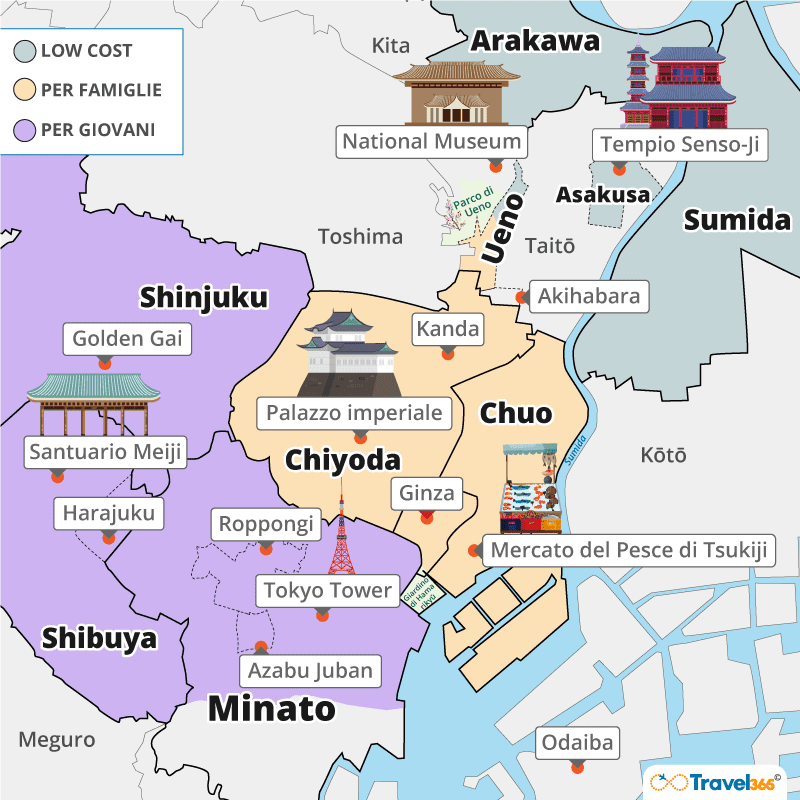 Foto di Travel365.
| Target | Area | Rates from |
|---|---|---|
| Stay on a budget | Ueno | €60,00 |
| Asakusa | €45,00 | |
| Sumida | €50,00 | |
| Arakawa | €55,00 | |
| Families | Ueno | €60,00 |
| Chiyoda | €70,00 | |
| Chuo | €70,00 | |
| Young | Shinjuku | €80,00 |
| Shibuya | €80,00 | |
| Minato (specifically the Akasaka area) | €75,00 |
not recommended areas: Kabukichō is a red-light district full of nightclubs and love hotels in the Shinjuku special ward. Being run by the Yakuza (Japanese Mafia), it is a place where you might encounter undesirable people. Although frequented by many locals due to the abundance of clubs and karaoke, it is a place where honest people would never want to live. Roppongi is also an area where maximum caution is recommended. Its lively nightlife could attract strange individuals, drunkards, and quarrelsome people.
Ueno is the most central district, an excellent compromise between location, affordable costs, and accommodation. Other districts to consider if you want a central location are Chiyoda and Chuo, which represent the centre of Tokyo! These areas are also recommended for families, due to the ease of getting around!
If you are looking for nightlife, opt for Shunjuku and Shibuya, respectively the centre of nightlife and the "young city", the district of the new generations. Minato is also an excellent compromise, with affordable costs, located just 15 minutes from the main attractions and close to Roppongi, another nightlife district (which we prefer not to recommend for staying, especially due to the lack of a metro).
Finally, the best areas to save money are Ueno, Asakusa, Sumida, and Arakawa. While Ueno is an excellent compromise also for its central location, the other three districts are slightly further away but well connected to the centre by metro!
Best accommodation: we have selected the best hotels, b&b, and hostels in Tokyo. Discover our recommendations and book on Booking
Ueno, best for first-timers
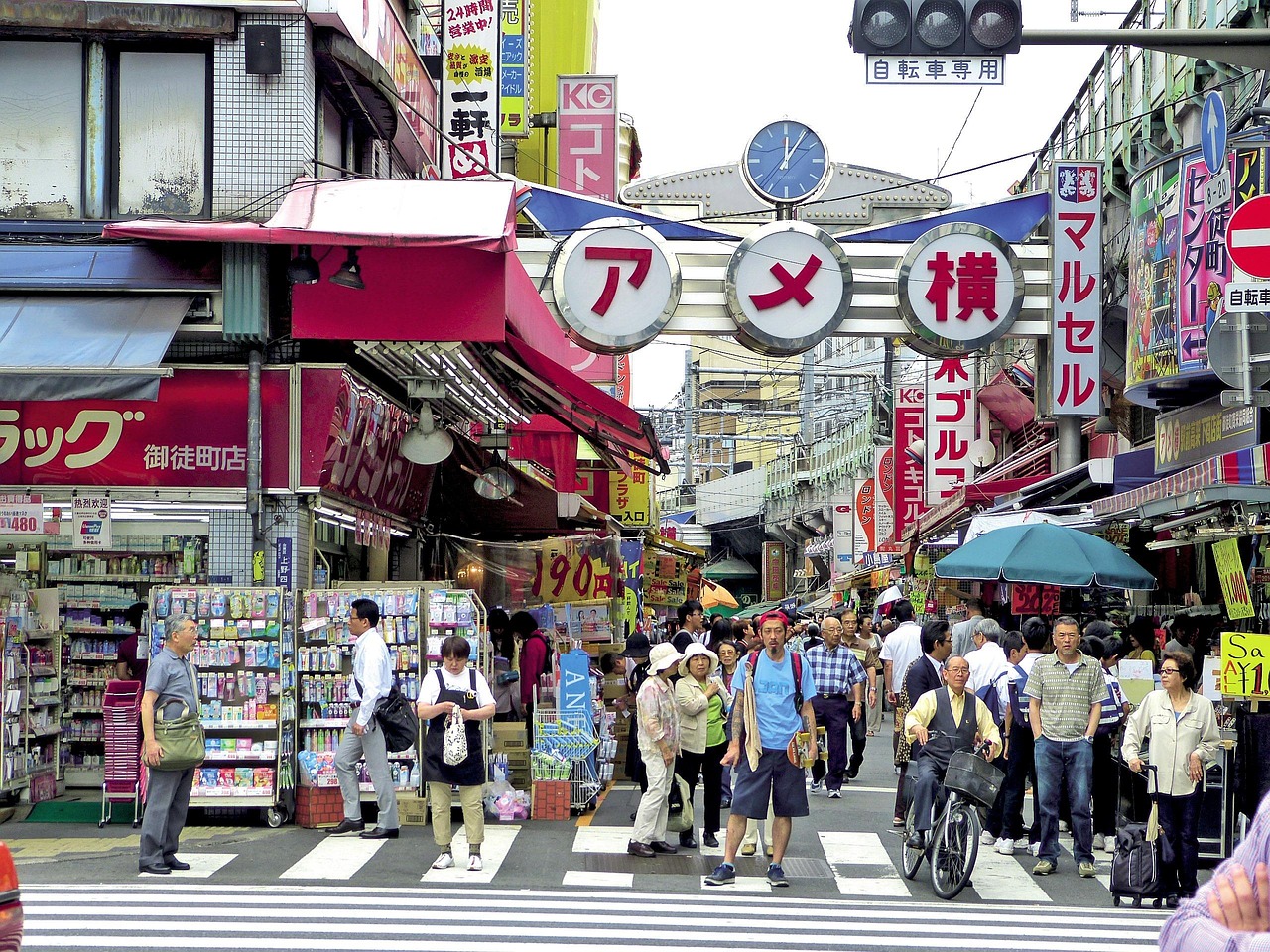
- Pros: Central location, affordable prices, green spaces, museums
- Cons: Can be crowded during the day
- Main attractions: Ueno Park, Tokyo National Museum
- Average prices: from €60,00 per night - compare the best accommodation on booking
Recommended accommodation
Ueno is, without a doubt, one of the best areas to stay in Tokyo, especially if you have limited time. It represents an excellent compromise between good location and convenient prices! Here you can also find Ueno Park, Tokyo's green lung, and the Tokyo National Museum.
It is an ideal neighbourhood for families and those who want to save money. Families can enjoy the beauty and tranquility of Ueno Park, while those who want to save can find excellent accommodation while still having all services within reach. In general, it is a district truly suitable for everyone, given its excellent location.
The area is served by Ueno Station, which will take you to all parts of Tokyo in a very short time. It takes only 5 minutes to reach the central station.
- What to do: Explore Ueno Park, visit the Tokyo National Museum, and get lost in the vibrant Ameya Yokocho market.
- Where to eat: For a quick and authentic bowl of ramen, go to Inshotei; instead, for a traditional and historical eel dinner, choose Sushizanmai Ueno branch
- Where to drink: Sip a local craft beer and sake at Premium Sake Pub Gashue, or enjoy a relaxed coffee at the stylish TGI FRIDAYS Ueno Chuo dori
Why I love it: It's a cultural explosion! Between the park, the museums, and the street food, you feel the soul of Tokyo immediately.
Average prices in the neighbourhood range from €60,00 per night - compare the best accommodation on booking
Asakusa, for local vibes
- Pros: Traditional atmosphere, affordable prices, well-connected
- Cons: Quieter in the evening compared to nightlife districts
- Main attractions: Sensoji Temple, Nakamise Shopping Street
- Average prices: from €45,00 per night - compare the best accommodation on booking
Recommended accommodation
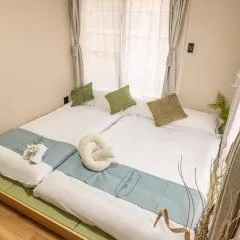
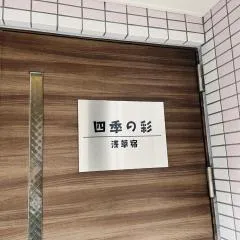
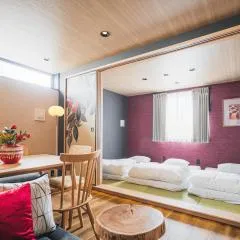
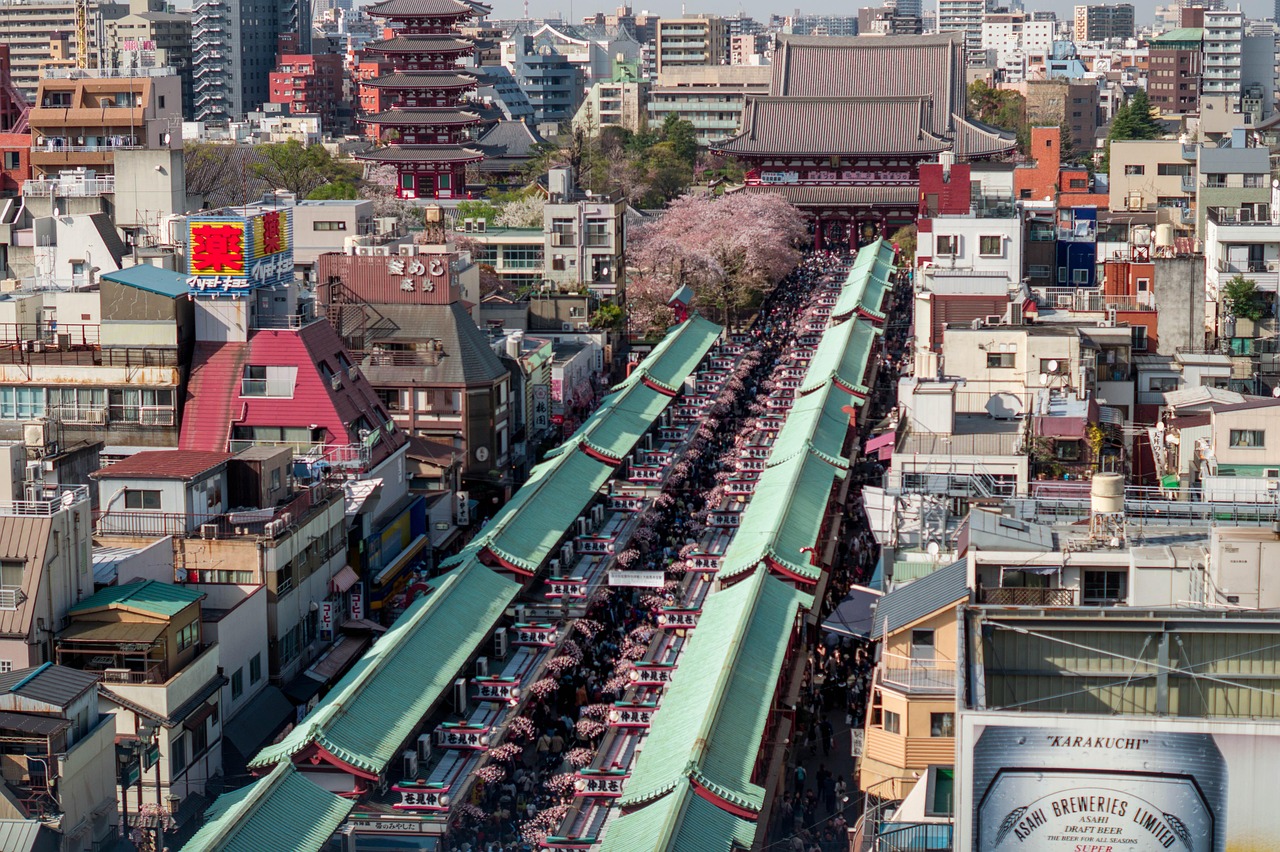
Bordering the Ueno district is Asakusa, one of Tokyo's traditional neighbourhoods. Staying here means taking a step back in time. The district also hosts the famous Sensoji Temple, considered Tokyo's oldest structure! And after visiting the temple, you can get lost among the market and stalls of Nakamise Shopping Street.
Again, this is an ideal neighbourhood for those who want to save money and experience the true Japanese atmosphere. It is a very active and visited district during the day, but quieter in the evening, ideal if you don't want to be in the centre of the nightlife. Also recommended for families, given the proximity to many attractions and its quiet and friendly atmosphere.
The district is served by Asakusa Station. From here, it will be very easy to move around the city: for example, it takes about 20 minutes to get to Tokyo Central Station.
- What to do: Visit the magnificent Senso-ji Temple, walk through Nakamise-dori for souvenirs, and take a cruise on the Sumida River.
- Where to eat: For a quick street-food snack, try the melonpan at Asakusa Kagetsudō Melon Bread; for a refined sukiyaki experience in a historic setting, choose Yoroiya.
- Where to drink: Enjoy a classic Japanese beer at the Rastaman's Cafe, or listen to some good music at HUB Asakusa.
Why I love it: It feels like stepping back in time to the Edo period. The giant red lanterns are simply iconic!
Average prices in the neighbourhood range from €45,00 per night - compare the best accommodation on booking
Sleeping in a traditional Ryokan: This is a traditional Japanese inn whose style has remained unchanged over time, with tatami floors, gardens with pavilions dedicated to the tea ceremony, and rooms with a minimal and essential style. Sleeping in a Ryokan means living a characteristic and traditional experience, worth trying at least once!
Chiyoda, best for short stays
- Pros: Central location, proximity to major attractions, quiet in the evening, good for families and short stays
- Cons: Can be expensive, mainly business-oriented
- Main attractions: Imperial Palace, National Museum of Modern Art
- Average prices: from €70,00 per night - compare the best accommodation on booking
Recommended accommodation
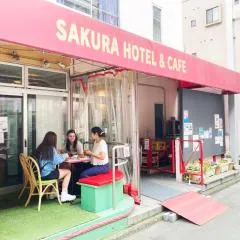
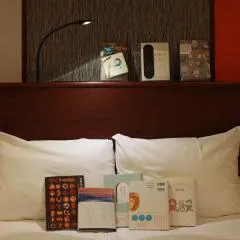
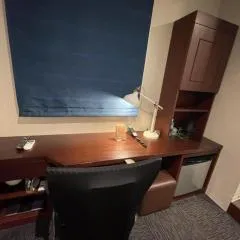
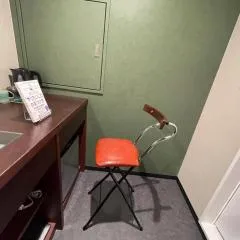
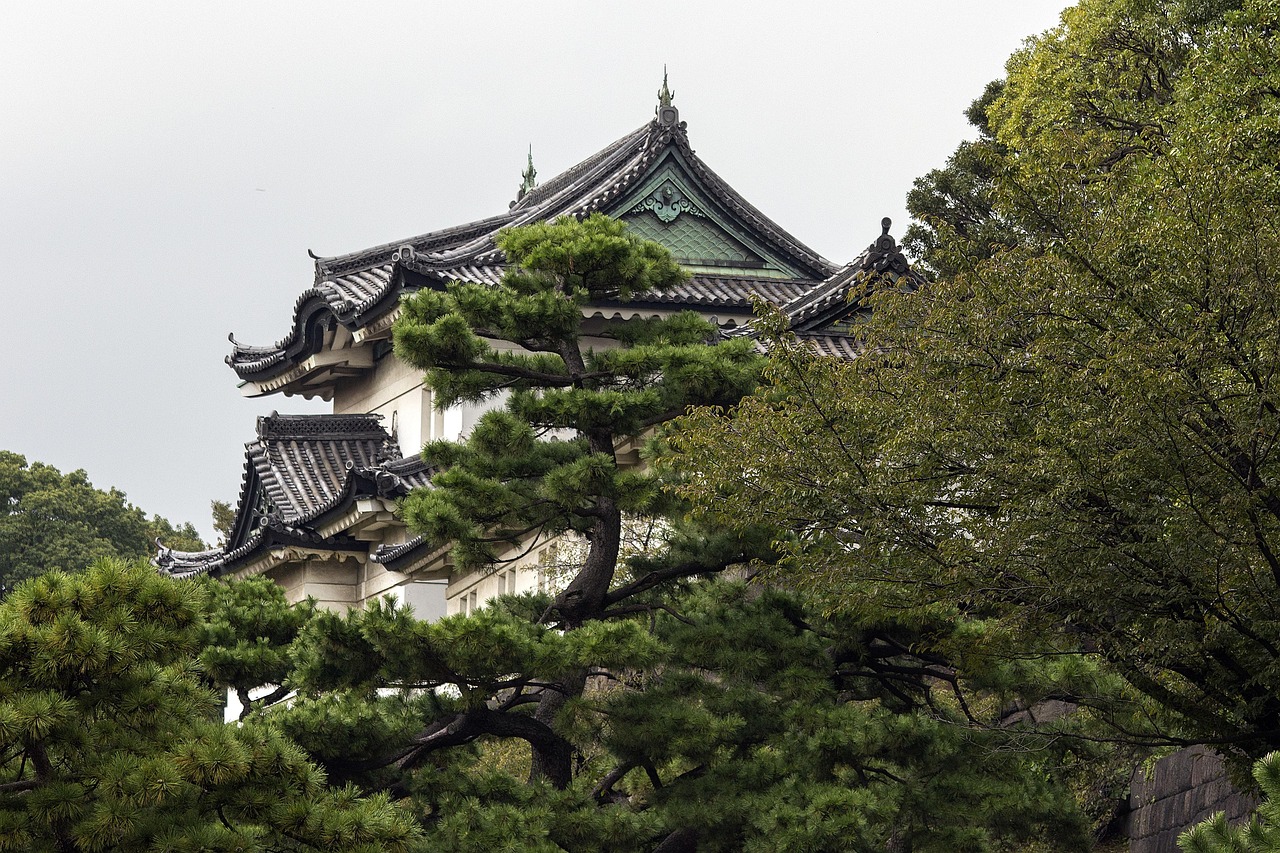
Chiyoda, along with Chuo, represents the financial and modern centre of Tokyo. Here you will be right in the heart of the city, and the district develops west of Tokyo Central Station. Attractions such as the Imperial Palace, the main official residence of the Japanese Emperor, and the National Museum of Modern Art are located here. It is one of the best areas to stay if you have only a few days available.
From a location perspective, it is perhaps the most convenient choice of all. Staying near the Central Station or the Marunouchi area will allow you to move around the city easily.
This district is recommended especially for those staying in the city for a few days, but also for families with children looking for a quiet area. Chiyoda is very crowded during the day but extremely quiet in the evening, as the nightlife is concentrated in other areas.
- What to do: Walk through the Imperial Palace East Gardens, visit the Yasukuni Shrine, and explore the electronics mecca of Akihabara.
- Where to eat: For a quick lunch in the famous "Ramen Street," go to Sumatra Curry Kyōeidō; for an elegant dinner with a view, choose Gokita
- Where to drink: Have a high-end cocktail with a view at BEER PUB 8taps, or a casual coffee at Crazy Craft Beer
Average prices in the neighbourhood range from €70,00 per night - compare the best accommodation on booking
Chuo, nice for families
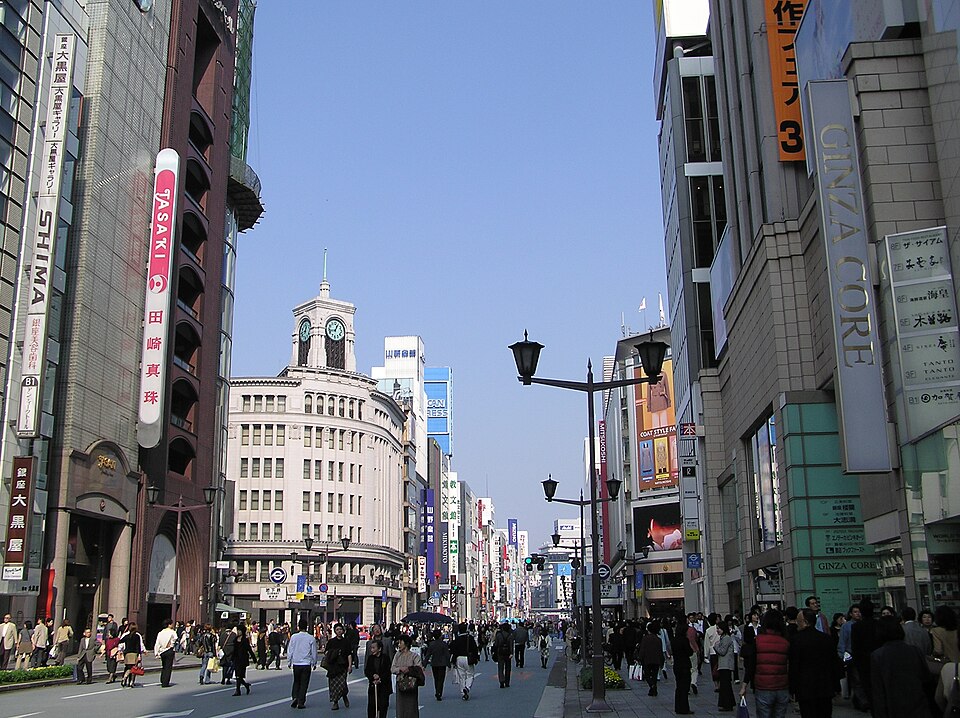
- Pros: Central location, high-end shopping, quiet in the evening, good for families and short stays
- Cons: Can be expensive
- Main attractions: Ginza, Nihonbashi
- Average prices: from €70,00 per night - compare the best accommodation on booking
Recommended accommodation
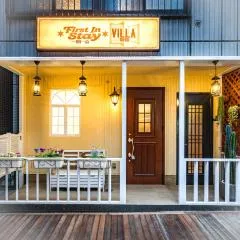
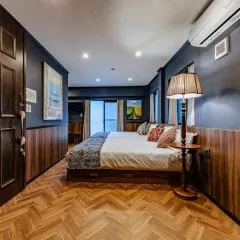
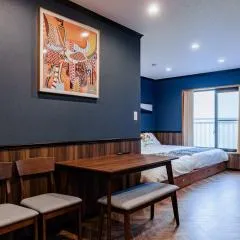
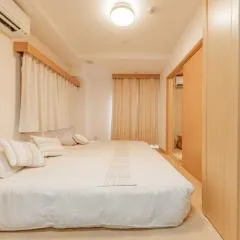
Like Chiyoda, Chuo also represents the financial and commercial heart of Tokyo. It develops mirroring Chiyoda, occupying the eastern part relative to the central station. Here you will find Ginza, considered Tokyo's upscale district, a destination for luxury shopping, and the historic Nihonbashi area, now a lively commercial zone.
It is an ideal district for families and those who have little time to stay in the city. Like Chiyoda, it is a frequented district during the day but very quiet at night, without any particular nightlife.
Finally, staying here allows you to move around the city easily: the district is served by Tokyo Central Station, as well as numerous other smaller metro stations.
- What to do: Visit the Tsukiji Outer Market for breakfast, shop in the luxury boutiques of Ginza, and enjoy the Hama-rikyu Gardens.
- Where to eat: For a quick and incredibly fresh sushi breakfast, go to LA BETTOLA da Ochiai; for a sophisticated family dinner, choose Teppanyaki Kurosawa.
- Where to drink: Experience the art of the Japanese martini at 82 Higashi Ginza, or take a break at the famous Délirium Café Ginza
Average prices in the neighbourhood range from €70,00 per night - compare the best accommodation on booking
Shinjuku, best for nightlife

- Pros: Lively nightlife, entertainment, excellent transport hub
- Cons: Can be noisy, not recommended for families, parts of it (Kabuki-cho) should be avoided
- Main attractions: Tokyo Metropolitan Government Building, Shinjuku Gyoen National Garden, nightlife
- Average prices: from €80,00 per night - compare the best accommodation on booking
Recommended accommodation
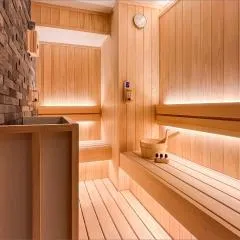
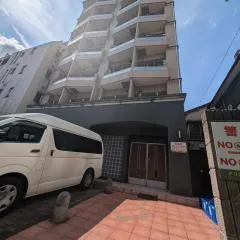
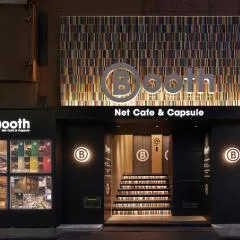
Here we are in Shinjuku, the centre of Tokyo's nightlife! It is the district that never sleeps, full of music, things to do, and neon signs, certainly one of the most representative corners of the entire city!
It is the ideal district for those looking for nightlife and entertainment, without sacrificing a good location. Absolutely not recommended for families!
However, be careful: when looking for accommodation, we advise you to avoid the small area of Kabuki-cho, Tokyo's red-light district, where you will find mainly game rooms, called Pachinko, and numerous prostitution establishments, where foreigners are not allowed.
Finally, staying here will also put you in an excellent location: the area is primarily served by Shinjuku Station, with trains and metro lines that will take you to Tokyo Central Station in about 15 or 20 minutes.
Why I love it: The neon lights, the crowds, the tiny alleys... Shinjuku is exactly what I imagined Tokyo would be!
- What to do: See the city from above at the Tokyo Metropolitan Government Building, and explore the tiny bars of Golden Gai.
- Where to eat: For a quick and fun experience, go to Oban-zushi; instead, for a romantic dinner "Lost in Translation" style, choose KABUKI Sushi
- Where to drink: Enjoy a themed drink at GODZ or a soft drink at SPORTS&DARTS BAR Sector 7G
Average prices in the neighbourhood range from €80,00 per night - compare the best accommodation on booking
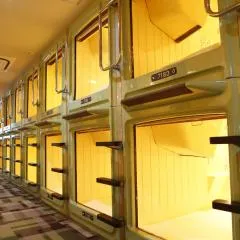
Sleeping in a capsule hotel: Shinjuku is one of the best districts to try the experience of sleeping in a Capsule Hotel. These are hotels with a structure similar to hostels, with very small "rooms", where the space is reduced to almost the size of the mattress, it feels like being inside a capsule (hence the name). Worth trying if you don't suffer from claustrophobia or have no problem with confined spaces.
Shibuya, for shopping and entertainment
- Pros: Youthful atmosphere, shopping, entertainment, excellent transport links
- Cons: Very crowded, noisy, not recommended for families seeking tranquility
- Main attractions: Shibuya Crossing, Hachiko statue, shopping, nightlife
- Average prices: from €80,00 per night - compare the best accommodation on booking
Recommended accommodation
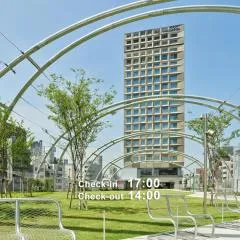
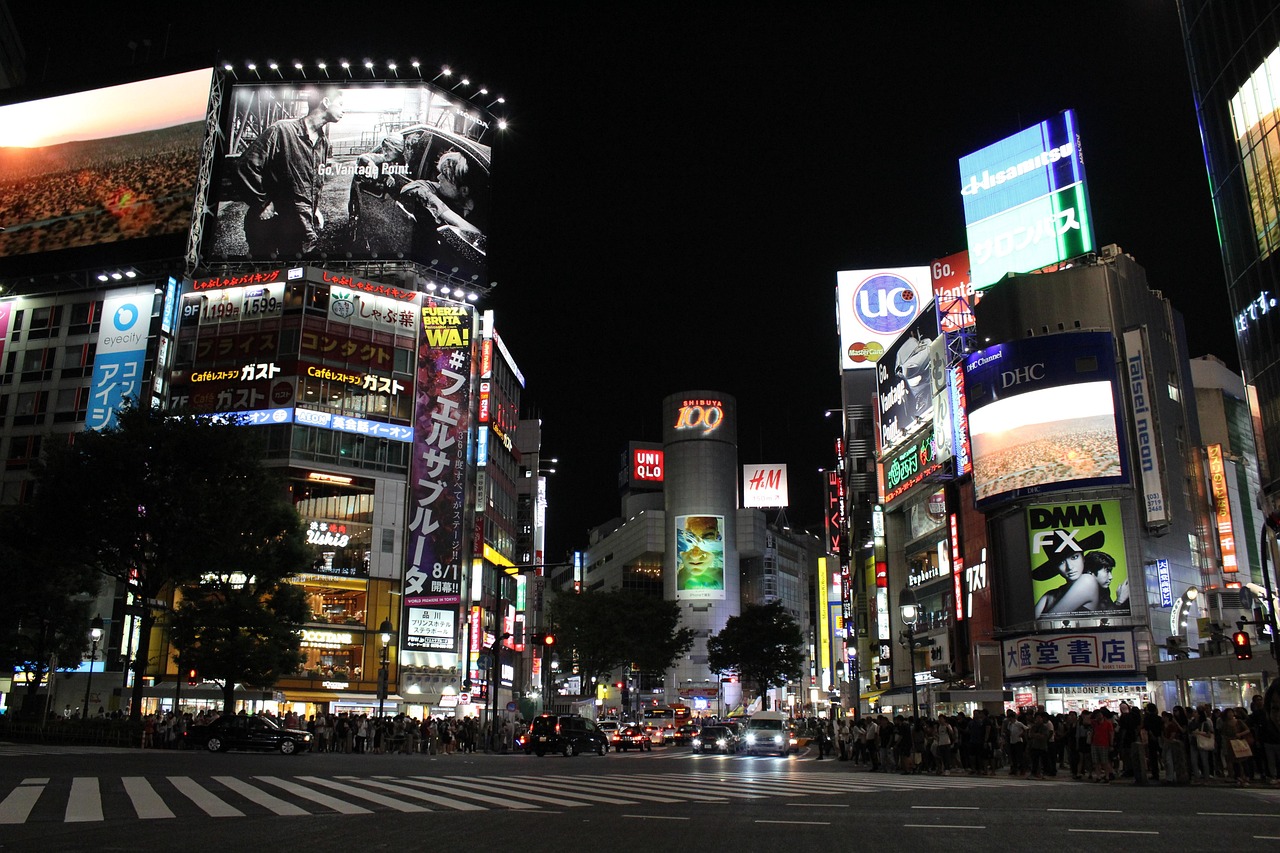
Along with Shinjuku, Shibuya is the district of young people and new trends! Its symbol is definitely the eponymous crossing, one of the busiest in the world. Here you can also find the statue of the dog Hachiko, made famous by the film of the same name. It is the ideal place to shop, be mesmerized by the many neon lights, and spend an over-the-top evening.
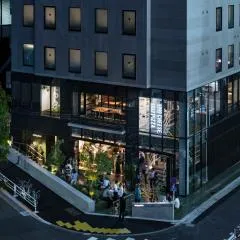
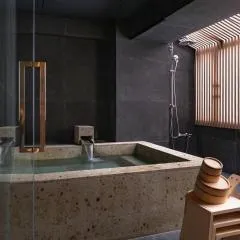
It is therefore a district recommended especially for young people and those looking for entertainment, absolutely not recommended for those seeking tranquility and travelling with family. In this area, you can find numerous hostels, capsule hotels, and budget accommodation, but also luxury hotels!
Finally, staying in Shibuya will put you in an excellent location: from Shibuya station, you will reach Tokyo Central Station in less than 20 minutes! It will take you only 5 minutes to get to Shinjuku.
Why I love it: Crossing the Shibuya Scramble is a rite of passage. The energy here is contagious!
- What to do: Cross the Shibuya Scramble, visit the Hachiko Statue, and take in the view from Shibuya Sky.
- Where to eat: For a quick "conveyor belt" sushi lunch, go to Jikasei MENSHO; for a trendy sushi dinner, choose Uobei Shibuya Dogenzaka Store
- Where to drink: Sip a drink at moon walk Shibuya Center-Gai, or have a craft beer at TAP & CROWLER TOKYO SHIBUYA.
Average prices in the neighbourhood range from €80,00 per night - compare the best accommodation on booking
Sumida, to stay on a budget
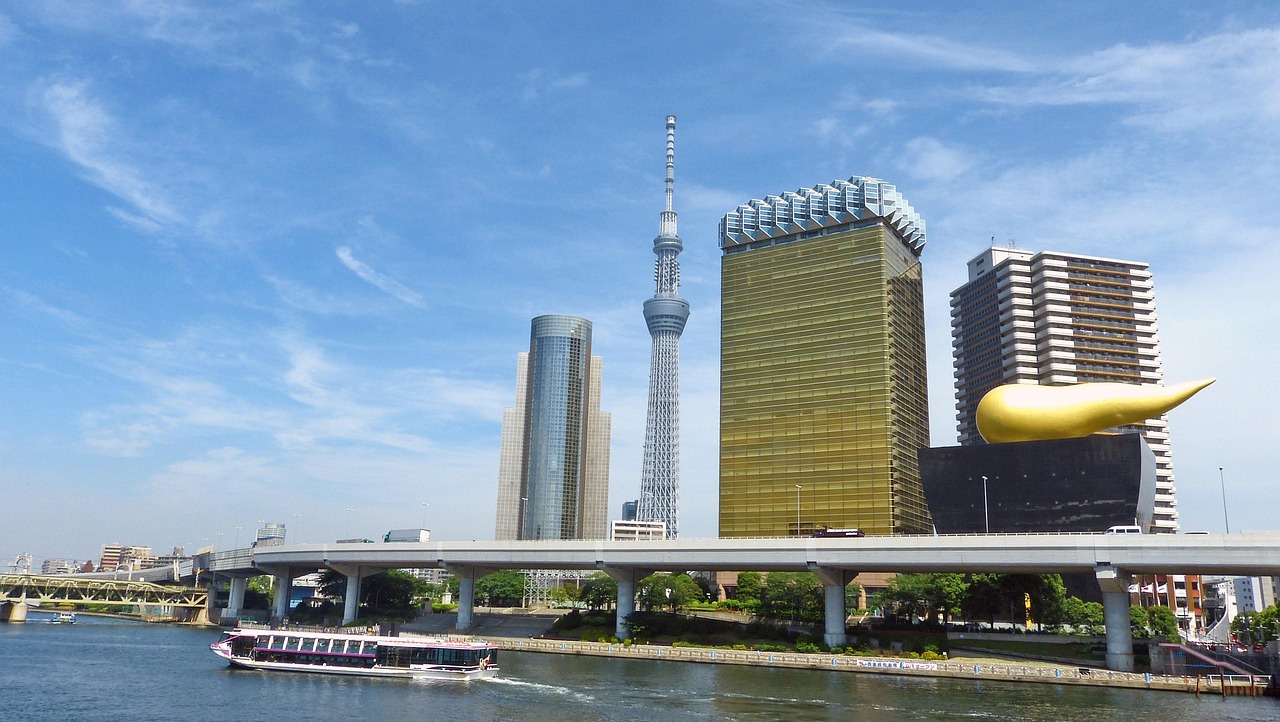
- Pros: More affordable prices, interesting attractions, well-connected
- Cons: Less central and touristy than other areas
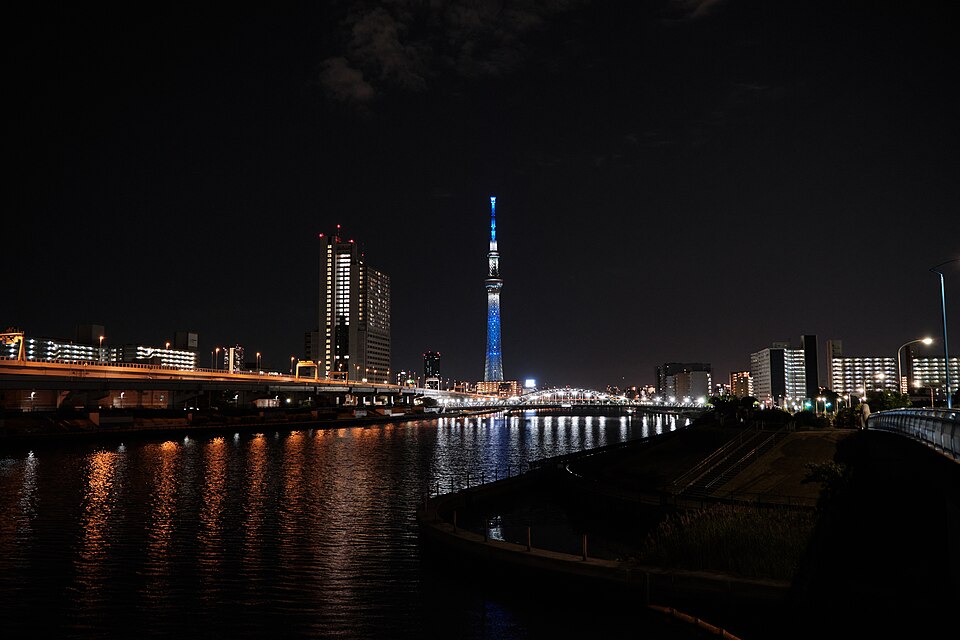
- Main attractions: Sumida Park, Edo-Tokyo Museum, Ryogoku Kokugikan, Tokyo Skytree
- Average prices: from €50,00 per night - compare the best accommodation on booking
Recommended accommodation
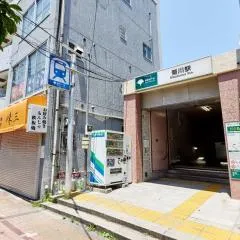
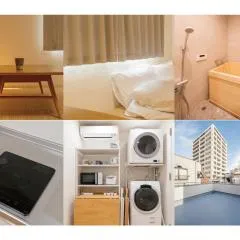
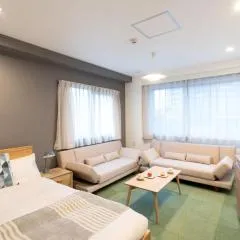
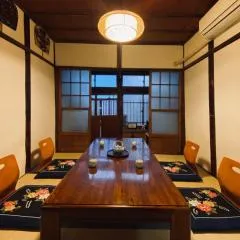
Sumida is a less touristy neighbourhood, but in an excellent location just outside the centre. But not only that: despite being an area that tourists don't frequent much, here you can find interesting attractions such as Sumida Park, ideal to visit during cherry blossom season, the Edo-Tokyo Museum, and the Ryogoku Kokugikan, the most important sumo venue in the world! Last but not least, the observation deck on the Tokyo Skytree!
It is an ideal neighbourhood for those who want to save money: given its location slightly outside the centre and the less touristy interest, prices here are lower, without sacrificing quality. You can find hotels, residences, and hostels, but also luxury accommodation.
The district is served by numerous stations, such as Ryogoku Station or Tokyo Skytree Station. From here, you can reach Tokyo Central Station in about 20 minutes on average, making it also an excellent solution if you have only a few days available.
- What to do: Go to the top of the Tokyo Skytree, visit the Edo-Tokyo Museum, and watch a Sumo match at the Ryogoku Kokugikan.
- Where to eat: For a dinner and drink with view go to Asahi Sky Room; instead, for a traditional dinner choose Inagaki
- Where to drink: Enjoy a local craft beer at Asahi Group Head Office Super Dry Hall, or relax at TOKYO Sumidagawa Brewing
Average prices in the neighbourhood range from €50,00 per night - compare the best accommodation on booking
Arakawa, for maximum savings
- Pros: Maximum savings, well-connected to the centre
- Cons: Not particularly touristy, limited attractions within the neighbourhood
- Main attractions: Arakawa Natural Park
- Average prices: from €55,00 per night - compare the best accommodation on booking
Recommended accommodation
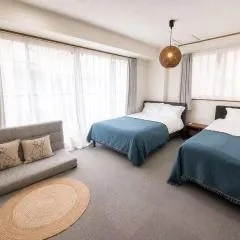
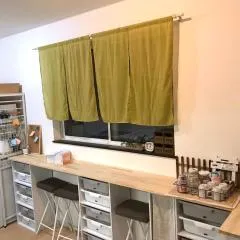
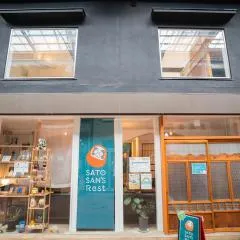
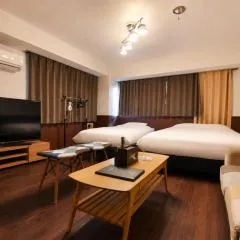
Arakawa is a district located north of Ueno and Asakusa. It is an area not particularly exciting from a tourist point of view, as there are no particular attractions, except for large green areas like the Arakawa Natural Park. However, it is an area where savings are maximized.
It is, in fact, a district recommended only for those seeking the greatest savings! Here hotels offer numerous services at very competitive prices. Moreover, the location is truly excellent as it is well connected to the centre.
The area is primarily served by Nishi-Nippori Station, in addition to other small stations. From here, in just 15 minutes, you will be at Tokyo Central Station, and in only 6 minutes at Ueno Station!
- What to do: Ride the Toden Arakawa Line (the last tramway), walk through the nostalgic Joyful Minowa shopping street, and relax in Arakawa Nature Park.
- Where to eat: For a quick lunch of traditional "yakiniku" go to Yamadaya; instead, for a cozy and cheap family dinner, choose Ramen-ya Toy Box
- Where to drink: Grab a cheap beer with the locals at Okei Brewery Nippori, or relax at Beer Pub Ishii
Average prices in the neighbourhood range from €55,00 per night - compare the best accommodation on booking
Minato, for strategic position and nightlife

- Pros: Excellent strategic position, well-connected, some attractions
- Cons: Can be pricey in some areas, Roppongi (nearby) lacks metro access
- Main attractions: Tokyo Tower, Roppongi (nearby)
- Average prices: from €75,00 per night - compare the best accommodation on booking
Recommended accommodation
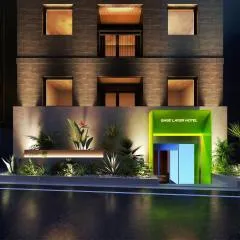

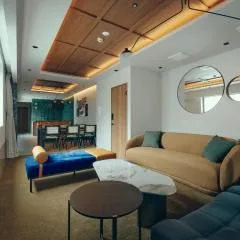
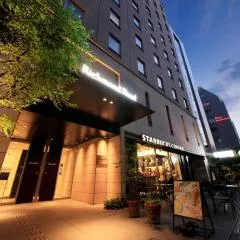
Finally, we find the Minato district, the district of the Embassies, little known by tourists but occupying an excellent strategic position for moving around the city! Furthermore, attractions such as the Tokyo Tower, one of Tokyo's symbols, are located here.
The areas to stay in the district are mainly two: Akasaka and the Shinagawa Station area. The latter represents a strategic point, as from here it is easy to move around the city. Akasaka is instead ideal for those who want to reach the Roppongi district, known for its lively nightlife! It is still a district to visit and spend some evenings in, but where staying is not entirely recommended, especially due to the lack of a metro. For this reason, Akasaka is an excellent alternative.
Staying in Minato allows you to move around the city easily: from Shinagawa station, you will reach Tokyo station in less than 10 minutes!
- What to do: Take photos of the Tokyo Tower, explore the art museums of Roppongi Hills, and walk across the Rainbow Bridge in Odaiba.
- Where to eat: For a quick lunch of high-quality food go to Aragawa; instead, for a legendary french cuisine choose Florilège
- Where to drink: Have a world-class cocktail at HUB Hamamatsucho, or dance the night away at the famous FETISH CLUB® TOKYO BREW LAB + BAR
Average prices in the neighbourhood range from €75,00 per night - compare the best accommodation on booking
Places to stay near Tokyo
Tokyo is a real metropolis, with attractions scattered throughout the districts, travel times on public transport that can easily exceed an hour, and completely different neighbourhoods. The only solution is indeed to sleep in the city, and even then, it won't be easy to identify the most suitable and central area without spending too much at the same time.
Staying outside of Tokyo has more disadvantages than advantages: first of all, you have to deal with public transport and its cost. They are always punctual, but travel times would be too long, taking away time from visits. Furthermore, it is not guaranteed to find accommodation at more reasonable prices in the immediate surroundings of Tokyo; as we have seen, there are options for all budgets within the city!
Tokyo accommodation price map
Cool things to do in Tokyo
- Mario Karting in Real Life: I actually dressed up and drove a go-kart through the streets of Akihabara. It's surreal and the best way to see the city's neon lights. More info here.
- Morning at the Fish Market: I woke up at 5:00 AM to visit Tsukiji. Eating fatty tuna for breakfast while watching the vendors work is an experience you'll never forget.
- Karaoke Night: You haven't lived until you've spent three hours in a private karaoke box in Shinjuku, ordering drinks via a tablet and singing 80s hits.
- Ghibli Museum Magic: I visited the Mitaka forest to see the Ghibli Museum. It felt like walking inside a dream, truly a masterpiece of imagination.
- Digital Art Immersion: I spent a whole afternoon at teamLab Borderless. Walking through "forests" of lamps and crystal rain is like being in another dimension.
Travel Tips
- Travel Card: Always purchase a Suica or Pasmo card for easy travel on public transport.
- Transports: Utilize the extensive and efficient metro system to get around the city.
- Touristy Areas: Be prepared for crowds, especially in popular areas like Shibuya and Shinjuku.
- Payments: Carry some cash, as not all establishments accept credit cards.
- Language: Learn a few basic Japanese phrases; while many people in tourist areas speak some English, knowing a little Japanese is appreciated.
- Culture: Be respectful of local customs and etiquette.
- Food: Make sure to try the local cuisine, from street food to high-end dining.
- Attractions: Book popular attractions or restaurants in advance, especially during peak season.
Without internet when you need it the most? Don't take the risk! With Saily's eSIMs, you can connect instantly, anywhere, and stress-free! Use the code "Gigaspecial" to get your exclusive 5% discount! Find out more